
6 lumbar spinal stenosis treatments, least invasive first
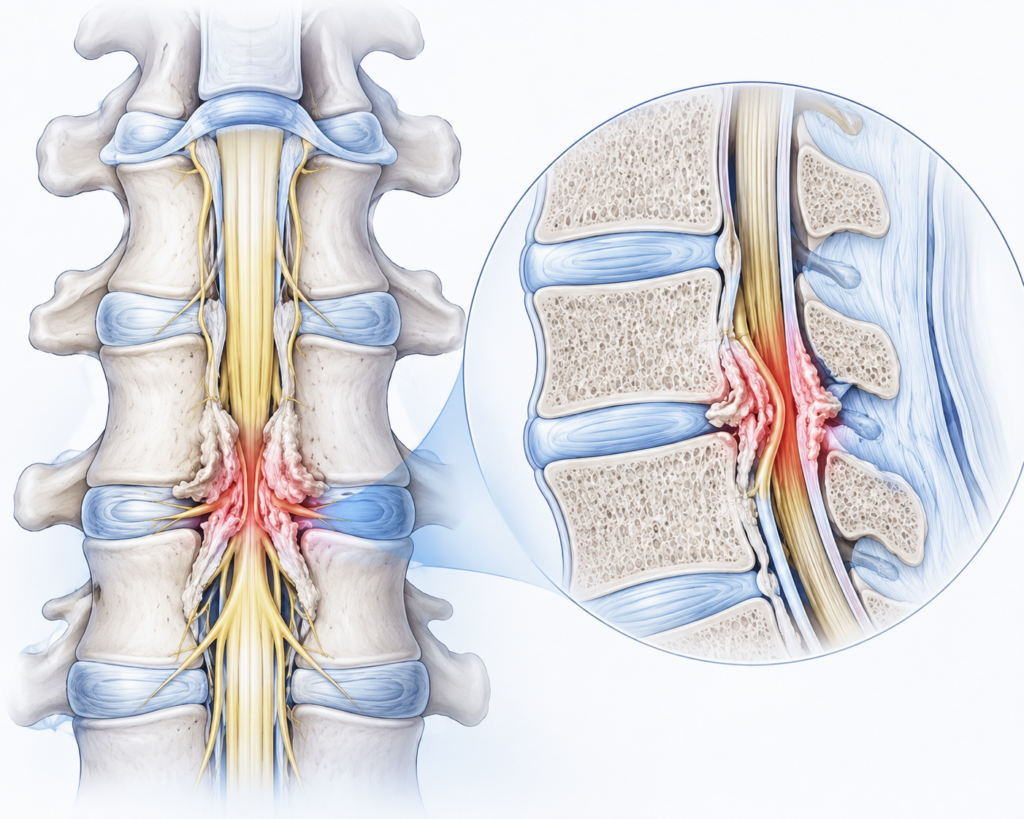
This article by Dr. Kayvan Haddadan was originally published on KevinMD.com. Dr. Haddadan reviews lumbar spinal stenosis treatment options in Sacramento and beyond, from least to most invasive, based on the latest clinical evidence. Lumbar spinal stenosis (LSS) is one of the most common causes of pain and disability in older adults. Characterized by narrowing of…
Read MorePainful diabetic neuropathy treatment goes beyond pills
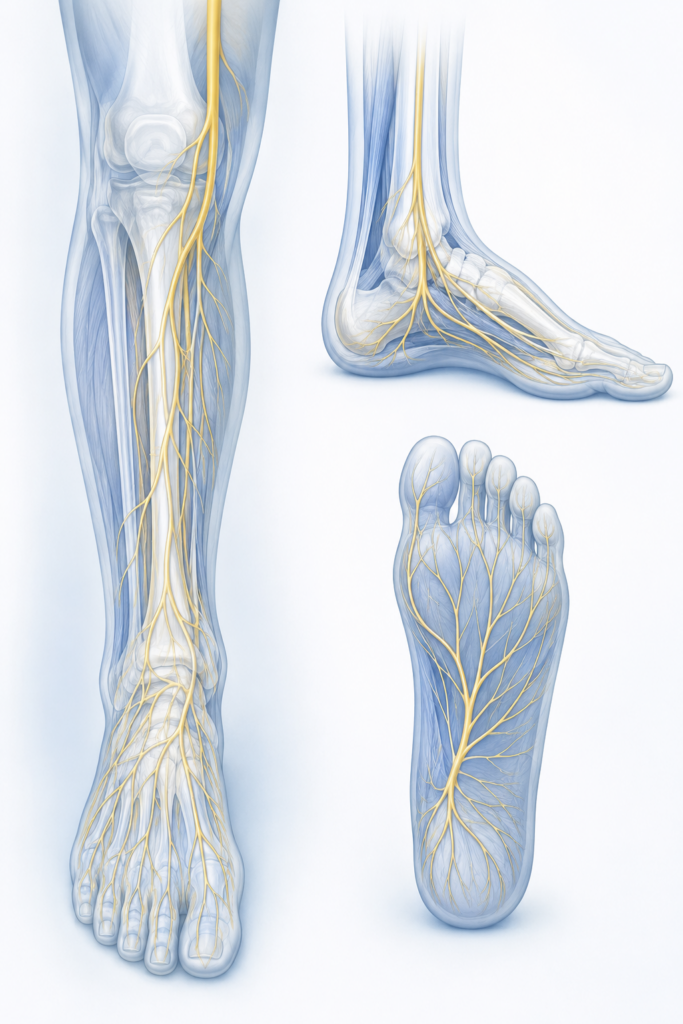
This article by Dr. Kayvan Haddadan was originally published on KevinMD.com. Dr. Haddadan explains why diabetic neuropathy treatment Sacramento patients receive has advanced far beyond medication alone. As a pain physician, I see patients every week whose lives have been quietly hijacked by neuropathy. They describe burning feet that keep them awake at night, the…
Read MoreRemote Therapeutic Monitoring for the Gaps Between Visits

This article by Dr. Kayvan Haddadan was originally published on KevinMD.com on July 16, 2026. As APDSS launches its own in-house Remote Therapeutic Monitoring program, Dr. Haddadan shares his insights on how this technology bridges care gaps for chronic pain patients. Over my more than 20 years as a pain management physician, I have seen…
Read MoreInterventional pain procedures for chronic back pain

This article by Dr. Kayvan Haddadan was originally published on KevinMD.com on May 27, 2026. Chronic back, leg, and pelvic pain frequently result from degenerative spine conditions, disc herniations, spinal stenosis, facet arthropathy, sacroiliac joint dysfunction, or vertebrogenic pain. When conservative measures such as physical therapy, medications, and activity modification fail, interventional pain procedures provide…
Read MoreChronic pain management: Match the treatment to the cause

This article by Dr. Kayvan Haddadan was originally published on KevinMD.com on July 3, 2026 Chronic pain affects millions and demands a nuanced, individualized strategy. Providers draw from training and comfort zones, but the scientific literature supports a multimodal framework that integrates pharmacological, rehabilitative, psychological, and interventional options. No single modality universally outperforms others.…
Read MoreMedicare physician pay has fallen 33 percent since 2001
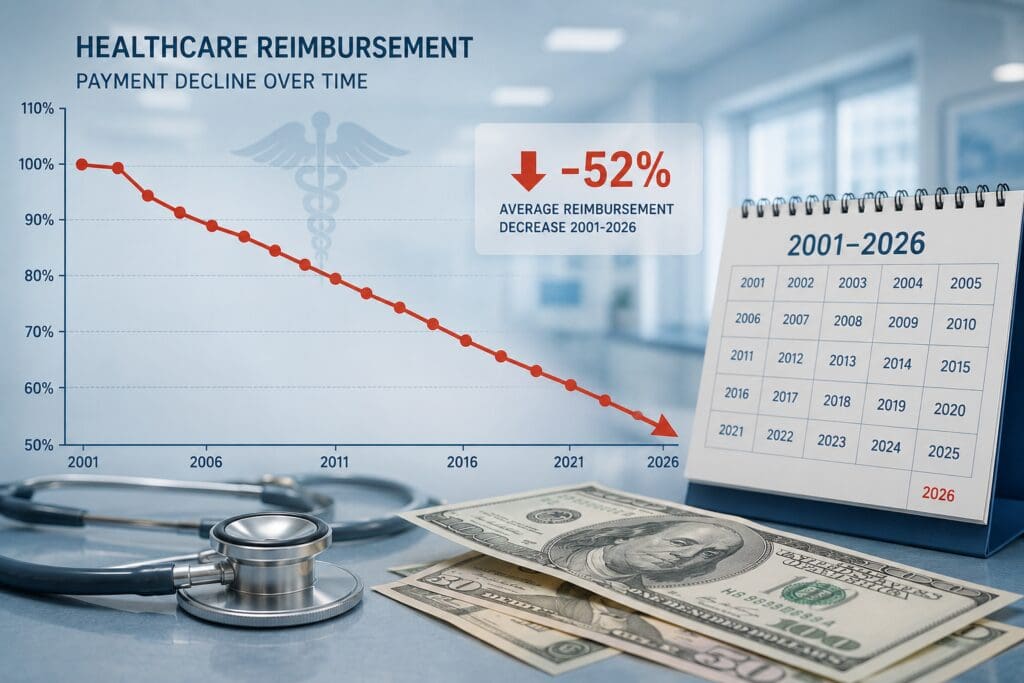
This article by Dr. Kayvan Haddadan was originally published on KevinMD.com on May 21, 2026. Patient care is getting squeezed. For years now, the Medicare Physician Fee Schedule has failed to give doctors the resources they need to keep up with rising costs and deliver high-quality care. The result is real strain on practices, especially smaller and…
Read MoreThe administrative burden crushing California medicine

This article by Dr. Kayvan Haddadan was originally published on KevinMD.com on May 16, 2026. Think of the entire health care system as a chess game where the goal is to achieve a healthier population by checkmating against the “darker side,” which represents disease, poor outcomes, inefficiency, and the human suffering of untreated or delayed chronic conditions…
Read MoreCalifornia opioid prescribing: What the data actually shows

This article by Dr. Kayvan Haddadan was originally published on KevinMD.com on May 19, 2026. As a physician managing patients with chronic pain in California, I’ve witnessed the tension between necessary regulations and the daily reality of helping people in genuine distress. As chairman for the National Campaign to Protect People in Pain (NCP3), I know how…
Read MoreHow to Treat Chronic Pain and Depression Together

Originally published on KevinMD.com | April 23, 2026 Chronic pain and depression treatment must go hand in hand — because in my years of managing patients with persistent pain, I’ve seen the same frustrating cycle play out repeatedly. A patient arrives with unrelenting back pain that has lasted for months. They describe not just physical…
Read MoreHow Workers Compensation Reform Can Cut Litigation Costs

Originally published on KevinMD.com | May 5, 2026 Workers compensation reform is overdue — and as a pain physician treating injured workers daily, a qualified medical examiner (QME), an independent medical examiner (IME), and a business owner paying workers’ comp premiums, I see the system’s strengths and serious strains up close. It started with good…
Read More